Food Technology Course with attractive job opportunities

This is a very attractive area. There will be a lot of job opportunities in the future. The percentage of processed food consumed by the people indicates economic growth. India has only one-seventh of the developed countries. Fruit and vegetable processing here is only about seven percent. As the economy progresses, the consumption of natural products will decrease and the habit of consuming processed and marketed foods will increase.

Cooking adds value to food. Look at the difference between eating fruits the same way and eating them with juice or jam. The fruits, which produce only a few months of the year, can be eaten throughout the year if properly prepared and stored. There are several ways to prevent bacterial overgrowth at harvest time. Notice the difference between chewing sugar cane and using sugar throughout the year. We make chocolate in many forms by adding sugar, cocoa, and vanilla.

Consumption of jams, marmalades, biscuits, cakes, pickles, cereals, seafood, and even milk is low. The services of those trained in this field are in great demand in the food manufacturing industry. Experts will also be required to ensure the quality and safety of food in large hotels and hospitals. Opportunities are also available at distilleries, soft drink production centers, large flour mills, and agricultural exports. The food processing industry in India is booming. The curriculum in many programs will be different. Physical,
chemical, and microbiological properties of food, fermentation (dairy), dairy practices, ripening methods, grain storage, food hygiene, food safety, quality control, packaging, marketing, research, etc.

Empire College of Sciences is one of the best paramedical colleges in Kerala which offers some good courses with extraordinary job prospects. We provide the best paramedical courses in Kerala which will ensure you with a brighter future. So join now for a paramedical course and secure your future.

Study logistics; Achieve better jobs and higher salaries.

Great job, great salary … is everyone’s dream. Logistics is an area that has provided many such opportunities over the past ten years. Logistics refers to the management of operations from the point of manufacture to the point of delivery to the customer. This category also includes the delivery of raw materials to the manufacturing facility.

The growth in the region, which has emerged after globalization, with the rise of Make in India, e-commerce, and the boom in the aviation port sector are not insignificant. In the case of Kerala, the four airports, the Vallarpadam container terminal, and the newly constructed Vizhinjam port are promising. Opportunities are available in the areas of freight, transportation, storage, and packing.

Possibilities...

A link that connects the three categories of manufacturers, distributors, and consumers. Borders are becoming less important for companies in the new world economy. The logistics management sector grew as a solution to the challenge of delivering goods across borders on time. Today we see big companies looking for new pastures for industrial expansion. The logistics management sector grew as a solution to the challenge of delivering goods across borders on time.

E-commerce companies such as Amazon, Flipkart, Snapdeal, and Mintra have created a lot of jobs in this field. A new e-commerce company led by Reliance Industries is set to launch soon. And there are startup companies in various fields. Today there are huge job opportunities in the field of logistics and warehousing.

Logistics and Supply Chain Management has many branches, including how to deliver the product, how long it takes to deliver it to customers, planning, warehouse arrangement, tracking where the product is located, risk prevention, and risk-taking insurance planning. Logistics professionals are required in all commercial enterprises. All of this would be done by someone familiar with such matters in small businesses. Specialized logistics divisions of large companies and independent logistics firms serving other companies provide opportunities in this field. A large number of construction companies, e-commerce companies, distribution companies, private courier companies, and logistics companies are working in this field.

Upon completion of the course, you will find opportunities in ports, airports, shipping companies, freight companies, couriers, and e-commerce companies. Jobs include Inventory Manager, International Logistics Manager, Inventory Controller, Logistics Software Manager, Production Manager, Supply Chain Manager, Warehouse Manager, Transportation Manager, or Supervisor.

It has already been said that there are various branches in logistics itself. Courses can be selected depending on whether you are interested in the Logistics Manager category or the Supervisory category. To ensure the smooth movement of goods, it is necessary to have a clear understanding of the trade laws and regulations of the various countries. Those who have passed Plus Two have Advanced Diploma courses in Logistics Management.

Some institutes also offer courses in B.Com and B.B.A. with a major in Logistics. You can choose courses that teach about different shipping methods. Logistics is a profession that requires a lot of skill and technical knowledge. Leading qualities such as leadership skills, the ability to coordinate things, and good communication skills are important qualities of a logistician. Any graduate can pursue postgraduate courses in Logistics Class Management.

Here at Empire College of Science Malappuram, the best paramedical college in Kerala, we offer a variety of courses for your better career. Visit our website: https://www.empirecollege.in/

Kerala PSC Recognition For B.Voc Course

Kochi: The B.Voc (Bachelor of Vocation) course has been approved by the Kerala Public Service Commission. UGC has introduced the B.Voc course as part of the new education policy of the Central Government gives priority to skill development. However, this course is offered only in a few colleges in Kerala. Therefore, students rely on educational institutions outside Kerala to do this course.

Universities in Kerala did not issue equivalency certificates due to the non-recognition of PSC. Pointing to these issues, N.A. Nellikunnu
in a reply to MLA’s letter dated June 23, PSC informed that a B.Voc degree has been included as a qualification for the posts requiring a degree qualification.

B.Voc is a three-year degree course designed to provide a graduate education based on the syllabus that prioritizes practical training in
gaining skills in a field of aptitude. Emphasis is placed on training to gain proficiency in the field of work in which 60 percent of the syllabus is selected. The B.Voc course enables students to get employment or start their own business immediately after completing the course.

Why should you choose paramedics as a career

With the epidemic spread, we endured an epiphany that more and more professed and good paramedics are needed for strengthening the backbone of the healthcare assiduity. Employment openings for Paramedical Professionals are adding day by day not only in India but also in foreign countries. Paramedics as we know, advance a helping hand to the croakers to reach an accurate opinion of a complaint to allow its stylish possible treatment.

After completing the introductory course in any of the paramedical aqueducts, you can take up a job in a Nursing Home, Sanitarium, Conventions, and Health Departments as well sodalities and universities as speakers, etc. The career prospects for paramedical aqueducts are therefore varied. And if you wish to make a difference in someone’s life also pursuing a paramedical course to come a paramedic can prove to be a good choice for you. The career and growth openings in this assiduity make it a profitable option

Empire College of Sciences is one of the best paramedical colleges in Kerala with some of the best paramedical courses to offer to the aspiring students. We provide necessary guidance to help you achieve something big in your life. Choose a course that can ensure you with a brighter future

Benefits of Radiology and Imaging Technology in Medical Diagnosis and Treatment

Radiology and imaging technology are some of the most beneficial advancements in medical diagnosis and treatment in modern medicine. In the past, clinicians were only able to diagnose medical issues through manual imaging techniques, leaving them unable to see subtle nuances in the human body that can mean the difference between life and death. Now, thanks to imaging technology, doctors have access to an abundance of diagnostic information to help make precise and accurate diagnoses.

Imaging technologies including X-rays, CT scans, MRI scans, and ultrasounds allow doctors to see the inside of the body without ever having to make a physical incision. This eliminates the need for exploratory or corrective surgeries and minimizes the risk of infection associated with invasive treatments. In addition, imaging technology can help detect a variety of health issues early on in the diagnosis and treatment process, which can often lead to a higher success rate in treatment.

Moreover, radiology and imaging technology provide a noninvasive way to monitor the progress of treatment. By reviewing images taken over time, clinicians can track the progress of a patient’s condition and decide if a different treatment plan should be adopted. By doing this, doctors are able to make swift and reliable decisions crucial to the patient’s health without having to wait for test results or consult with another specialist.

Nowadays thanks to digitization of medical records, radiologic imaging data can help inform physicians not only on the current patient, but on other patients with similar conditions, allowing for more informed and evidence-based diagnoses and treatments.

From improved diagnostic capabilities to quicker and more efficient treatments, radiology and imaging technology have become essential tools in modern medicine. This makes them invaluable in saving lives and improving patient outcomes.

Here are some of the primary benefits of radiology and imaging technology and how they are being used in medical diagnosis and treatment.

For starters, radiology and imaging technology help provide fast and accurate diagnosis of medical conditions, even for complex patients. Over the past several decades, imaging technology has become more advanced and permits medical professionals to see more anatomy. For conditions like cancer diagnosis, ultrasound imaging has been an invaluable tool due to its ability to detect anything from small tumor growths to larger masses. Imaging technology combined with the latest computerized algorithms can provide a far more nuanced analysis of complex conditions than ever before.

In terms of treatment, imaging technology has been instrumental in advancing current medical procedures and providing more accurate results. Notably, it has made minimally invasive surgeries and interventional radiology widely available to patients. This not only reduces the risk of complications kind of surgical intervention, it also enables quicker recovery times, lower costs, and less pain. This technology has also allowed medical professionals to develop more precise treatments for various medical conditions, such as the use of radiation therapy to deliver targeted, precisely controlled doses of radiation to cancerous tumors.

Finally, imaging technology has enabled a new approach when it comes to aftercare and preventive services. Because of the improved diagnostic capabilities, medical professionals can better monitor treatments to assess their effectiveness in real-time. This has allowed for quicker identification of complications and post-treatment conditions of patients. This, in turn, has given healthcare providers greater confidence when it comes to medical management and has driven further innovation in patient-centric care.

In conclusion, radiology and imaging technology have revolutionized modern medical diagnosis and treatment, and have proven to be invaluable tools in treating even the most complex cases. With improvements in technology continuing to be made in this field, it’s likely that these benefits will only grow more far reaching in the years to come.

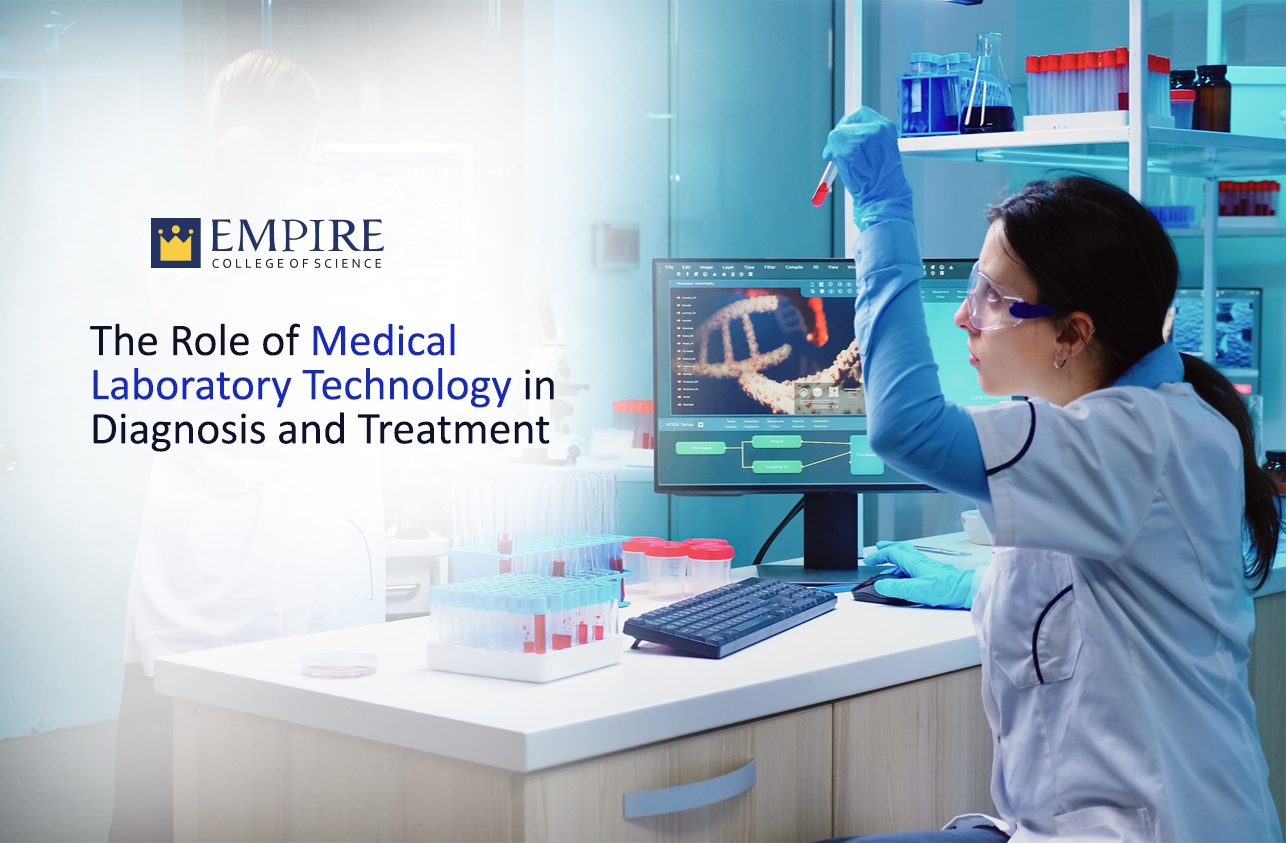
The Role of Medical Laboratory Technology in Diagnosis and Treatment research

Medical laboratory technology is a vital component of the diagnosis and treatment of patients in the healthcare setting. Whether a disease is caused by bacteria, a virus, or a genetic disorder, medical laboratory technology has a major role in helping to identify the cause of the disease and provide the treatment needed.

In terms of diagnosis, medical laboratory technology is essential to identify the presence of infection, determine the type of infection, and track how the infection is responding to treatment. Without tests that can identify the presence of disease, such as a complete blood count (CBC) or a culture sample, doctors would not be able to properly diagnose a patient. By analyzing the results of these tests, medical laboratory professionals can help doctors diagnose a person with a specific disease.

When it comes to treatment, medical laboratory technology helps to determine the best course of action for a patient based on the type of disease they have. For example, if a lab test reveals that a patient has a bacterial infection, a medical laboratory specialist would know to prescribe an antibiotic that is specific to that type of bacteria. This ensures that the patient receives the most effective treatment possible.

Additionally, medical laboratory technology is also used in the monitoring of a patient’s condition during and after treatment. This includes running tests to monitor the effectiveness of the treatment, as well as monitoring any changes in the patient’s condition. By evaluating these tests, medical laboratory specialists can provide doctors with the data they need to make informed decisions about a patient’s treatment.

Overall, medical laboratory technology plays an invaluable role in the diagnosis and treatment of patients in the healthcare setting. Without the tests and analysis conducted by medical laboratory professionals, doctors would be unable to diagnose and treat patients properly. As a result, medical laboratory technology is an essential part of the healthcare system and it is important for medical laboratory professionals to be well trained and knowledgeable in their field.

Medical laboratory professionals are responsible for conducting a wide range of tests and analysis on various samples taken from patients. These tests and analysis can provide doctors with information that is vital for diagnosis and treatment. For example, blood tests can provide doctors with information about a patient’s blood type, cholesterol levels, and other important laboratory values. Similarly, imaging tests such as X-rays and MRIs can help doctors to observe and diagnose changes in a patient’s anatomy.

In addition to diagnostic testing, medical laboratory professionals are also responsible for ensuring that the correct treatments are applied to the right patients. Medical laboratory technology can help to identify drug sensitivities and allergies and can even help to identify which antibiotics are most effective for specific bacteria. With the help of medical laboratory technology, healthcare providers can ensure that patients receive the most appropriate treatments for their condition.

Medical laboratory technology is also essential for researching new treatments for various illnesses. By testing various samples and observing results, medical laboratory professionals can provide valuable information that can help to develop new treatments and medicines. This allows doctors to provide better care to their patients and it also helps to save lives. In this way, medical laboratory technology is essential for bringing new treatments and medicines to the healthcare world.

Overall, medical laboratory technology is an integral part of the healthcare system. Without the tests and analysis done by medical laboratory professionals, doctors would not be able to accurately diagnose and treat patients. Medical laboratory technology also plays an important role in researching new treatments and medicines, helping to bring the latest advances in healthcare to patients. It is therefore essential for medical laboratory professionals to be well-trained and knowledgeable in their field in order to provide the highest quality of care to patients.

Logistics: New World of Possibilities

Logistics, the branch of business that deals with the transportation, storage, and delivery of goods, is undergoing an unprecedented transformation. In recent years, logistics technology has unlocked countless new possibilities for organizations across the world.

The advancements in logistics, ranging from cloud computing and mobile applications to algorithms, have revolutionized the transportation and management of goods. Companies now have the power to track, monitor, and store goods more accurately and efficiently than ever before.

The utilization of data and machine-learning technologies have enabled increased customer satisfaction, reduced waste, and improved operational efficiency. Mobile applications and software such as TrackaBot and FleetGenius have made managing fleets and shipments simpler than ever before. By analyzing data and predictive analytics, these technologies can identify potential problems and recommend solutions before they become costly inefficiencies.

Furthermore, AI and robotics in the logistics space have opened the door to more efficient methods of storing and shipping goods. For example, automated sorting equipment can be used to streamline inventory management and pick-and-place orders quickly and with precision. Amazon’s Kiva robots are another example of the amazing possibilities of robotics in logistics. These robots allow Amazon to pick, pack, and ship goods over 20 times faster than traditional methods.

Logistics has also greatly benefited from smart warehousing, an automated and data-driven approach to warehouse management. The use of robotic automation, computer vision, and artificial intelligence to conduct operations and manage inventory can increase warehouse throughput and improve customer satisfaction.

Looking towards the future, the possibilities of logistics technology are virtually limitless. From drone deliveries to automated logistics orchestration, the role of technology in the logistics industry will continue to expand rapidly, providing unprecedented levels of efficiency and accuracy. It is an exciting time for logistics!

Logistics has traditionally been a manual process, with orders and deliveries coordinated by hand. But over the past decade, technological advancements have revolutionized the way companies manage and optimize their supply chains. Automated logistics systems, such as warehouse management systems and fleet management systems, have dramatically improved the speed and accuracy of operations.

The trend of automation will continue to evolve in the years ahead. In the near future, a new wave of technologies, such as artificial intelligence and robotics, will transform the industry. Companies will be able to deploy robots to automate tedious tasks and make decisions based on data-driven insights. This will help boost efficiency and make the supply chain more agile and responsive to fluctuations in demand.

At the same time, the rise of the Internet of Things, blockchain, and connected networks will greatly enhance the visibility of logistics operations and enable companies to gather data along every step of the supply chain. Companies will be able to monitor delivery times, stock levels, and customer feedback in real-time, allowing them to make timely decisions and respond to disruptions.

The possibilities for logistics technology are incredible, and the opportunities for companies to gain a competitive edge are immense. Logistics is no longer a manual, labor-intensive process; it is a new world of possibilities enabled by technology. For companies that embrace and leverage these new technologies, the rewards will be plentiful.

From automated warehouses to machine learning, robotics, and artificial intelligence, modern technologies have enabled the logistics industry to transform completely. Automation of warehouse operations is rewriting the rules of shipping and receipting, streamlining processes and eliminating unnecessary paperwork. With automated warehouses, companies can quickly assemble orders, scan products for accuracy, locate and identify items, and store them cost-effectively, reducing labor and associated costs.

Advancements in robotics, artificial intelligence, and machine learning are revolutionizing the supply chain. Robotics can now perform many of the arduous tasks associated with logistics, such as moving and sorting items, increasing accuracy and reducing labor costs. AI is streamlining receipting and warehouse operations, predicting customer demand and optimizing inventory levels. And machine learning is able to analyze sorting patterns and reduce the number of errors.

The logistics industry is also embracing the Internet of Things (IoT). Devices connected to the internet can monitor shipments in real time, providing real-time notifications of the status of shipments and reducing delays. This data can be used to optimize routes and improve customer service.

In addition to the technological advances already mentioned, companies are leveraging digital collaboration tools to improve business efficiencies. Through digital collaboration, companies can now securely share data, documents, and even entire processes with suppliers and customers. Digital collaboration enables companies to make informed decisions quickly, reduce downtime, and improve communication.

Logistics technology is opening up a new world of possibilities and powering efficient and cost-effective shipping. Companies that embrace and leverage these new technologies can stay ahead of the competition and reap the benefits of improved efficiency and cost savings. For anyone involved in logistics, this is an exciting and rewarding world to explore.

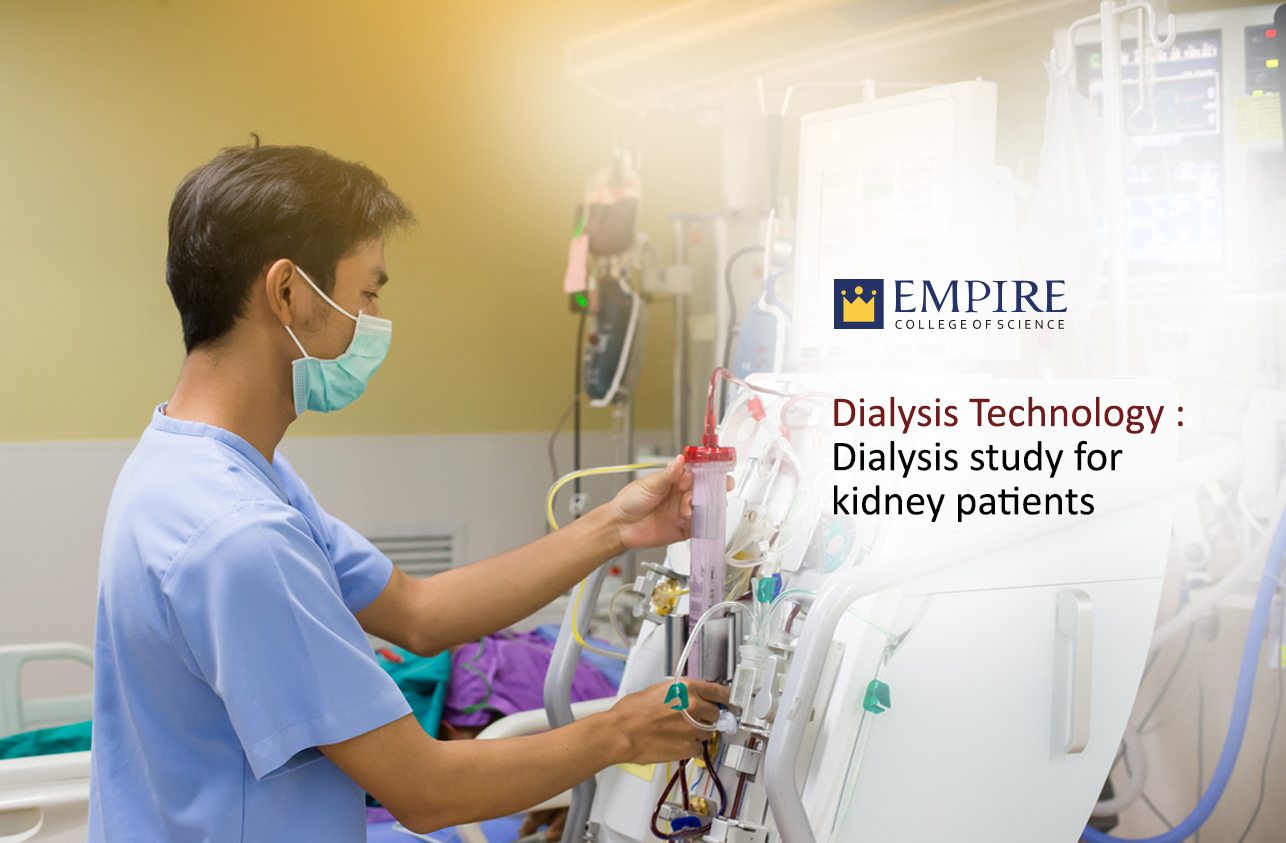
Dialysis Technology : Dialysis study for kidney patients

In recent years, dialysis has become a very important treatment option for those suffering from kidney failure due to the advances in medical technology and the enhanced understanding of treatments. Dialysis is used to cleanse the blood of the toxins that build up in the body as a result of the kidneys not working properly. Without this cleanse, the toxins can build up to dangerous levels and cause serious health consequences.

Therefore, with a better understanding of dialysis and the specific treatments necessary for those with kidney disease, many kidney patient organizations, such as the National Kidney Foundation, are encouraging more studies to be conducted into dialysis treatments. One type of study being conducted is a dialysis study for kidney patients.

The purpose of this study is to better understand how dialysis works and how best to manage treatments for those with kidney failure. It seeks to document and review the existing literature about dialysis, analyze and compare the outcomes of different dialysis protocols, and determine how best to improve dialysis success. Additionally, this study looks to identify any risks or benefits associated with dialysis treatments, so that treatment protocols can be better tailored to individual patients and their care needs.

This dialysis study is a vital tool in learning more about the effects of dialysis on kidney patients. It will give important insights to healthcare providers as well as patients themselves, so that they can make more informed choices about their treatment process and the likelihood of successful results. Ultimately, it is hoped that this study will provide further evidence-based research in order to help ensure that people with kidney failure receive the best care possible.

As we go through the time of caring for diseases, the health sector needs to move forward with the same strength. Man’s lifestyle is strained by various diseases. Kidney diseases are also common among such diseases.

The role of dialysis in the attack of kidney diseases is not small. Dialysis is a blood purification process associated with kidney diseases. Let’s get rid of the myth that anyone working in the health sector can perform dialysis on the basis of a doctor’s prescription.

It is a study of the equipment used for dialysis and the method of dialysis. Dialysis is conducted under the supervision of a doctor and is led by people in the field of dialysis. They care for patients and handle surgical instruments during dialysis and kidney transplant surgery.

BSC Dialysis, MSC and PHD courses are also available in this category. Diploma courses can also be done. Diploma courses are of two years duration. It is a field that offers many career opportunities in public and private hospitals, healthcare clinics, research centers and educational institutions.

Dialysis Technician, Nephrologist, Dialysis Therapist, Dialysis Assistant, Medical Laboratory Assistant, Medical Technicians etc., Dialysis graduates can work through many job titles.

Students with 50% marks in science subjects in Plus Two can join the degree course. Some campuses conduct admission on the basis of entrance exam.

Dialysis is a process that filters the blood and removes waste and excess liquids from the body of kidney patients. It is a lifesaving measure for those who suffer from an acute or chronic form of kidney failure, and it is typically recommended for those who have a GFR (glomerular filtration rate) of less than 15 mL/min. In the U.S., most dialysis patients receive three treatments per week, on average, although some people with very severe conditions may require more frequently dialysis sessions.

The purpose of this dialysis study is to learn more about the various outcomes associated with different types of treatments, the specific needs of different patients, and to understand the impact of dialysis on the overall quality of life of a person who has experienced kidney failure. For this research, a variety of clinical indicators and tests will be collected from study participants to measure changes in their physical and mental health needs. The patients in the study will also be asked to respond to a range of survey questions about their experience with dialysis in order to gain a better understanding about how it has affected their daily life.

One of the primary benefits of this dialysis study is that it could help to inform current and future healthcare providers about what works best for each individual patient, and it could help to identify any gaps in service or unmet needs that need to be addressed. This would help to improve patient outcomes, reduce potential complications, and increase the likelihood of successful dialysis treatments.

It could also help to inform the creation of new guidelines, which could help those who are considering or receiving dialysis treatments. The findings of this dialysis study may help to improve the overall quality of life of those living with kidney failure, and it could serve as an important tool in helping patients and their care teams make important decisions about the treatment options available. It could also make a significant impact on the way that healthcare providers approach the management of kidney failure in the future.

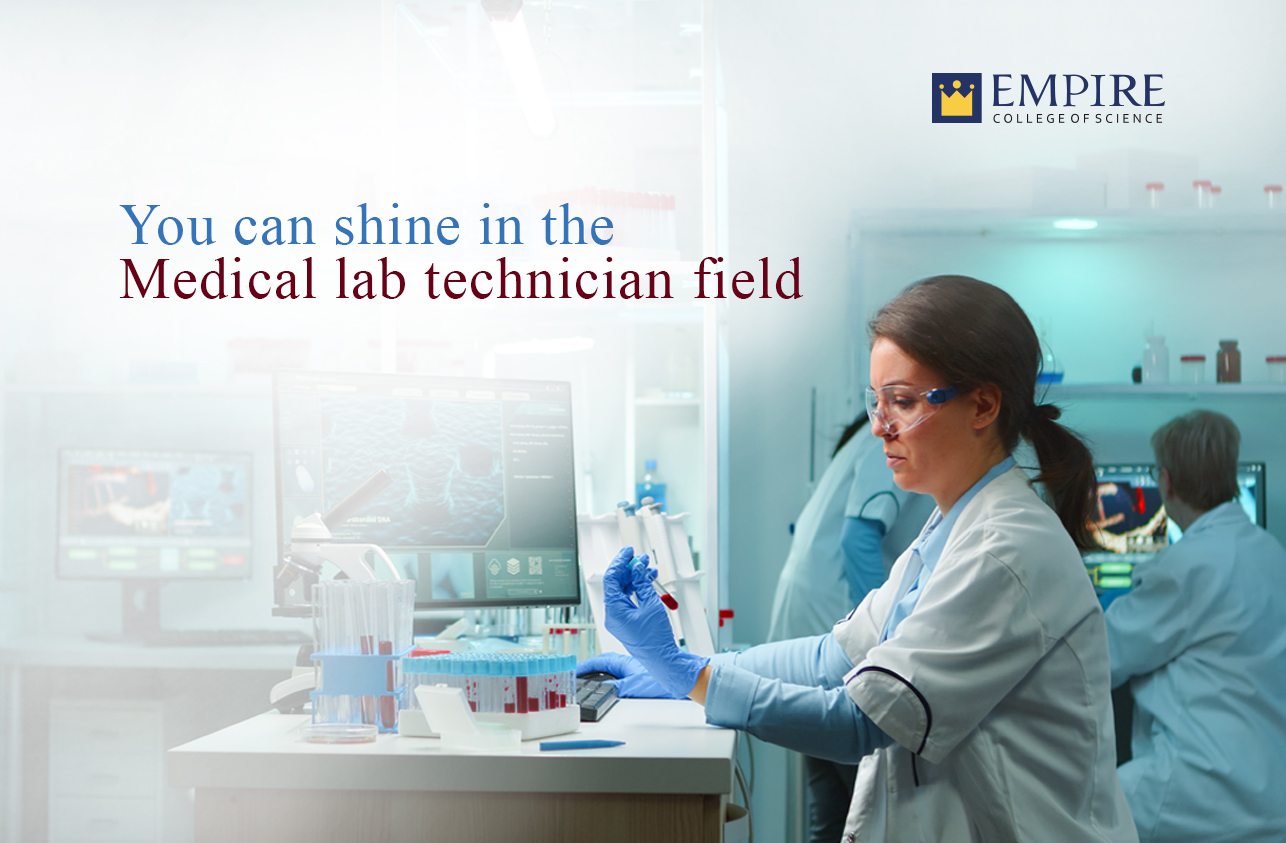
You can shine in the medical lab technician field

The medical lab technician field is a vital part of the health care industry. These professionals help diagnose, treat, and prevent diseases, as well as conduct medical research. With the growing demand for healthcare professionals and the advancements in medical technology, the medical lab technician field is an increasingly attractive option for those looking to begin and build a career in this field.

Medical lab technicians are responsible for collecting and analyzing samples of biological material (such as blood, cells, and tissue) for the purpose of diagnosing and treating different diseases and disorders. This requires a great deal of attention to detail and accuracy, as an incorrect analysis can lead to improper diagnoses and treatments.

Not only does this field offer a potential for career growth, it’s also incredibly rewarding. By conducting medical tests and helping patients with their diagnoses, medical lab technicians make a significant difference in people’s lives. It’s a great way to give back to the community and to ensure the health and wellbeing of those around us.

In order to shine in this field, it’s important for medical lab technicians to stay up to date on the latest advancements in medical technology and techniques. Keeping abreast of new developments in the field will not only help them stay ahead of the competition, but it will also help them provide the best quality service possible to their patients.

It’s also important for medical lab technicians to demonstrate strong interpersonal skills. In order for them to be successful, they must be able to effectively communicate with their patients and collaborate with fellow lab technicians and healthcare professionals.

Finally, medical lab technicians need to be passionate about their work. Medical lab technicians spend a great deal of their time working on complex tests and procedures. It can be a stressful and demanding job, but if they show enthusiasm and dedication, it can help them stand out in the field.

For those looking for a career in the medical field, the medical lab technician field is a great place to start. With the right skills and dedication, it’s possible to shine in this field and make a positive impact on the lives of those around us.

Job opportunity in health sector is increasing day by day. Medical Laboratory Technician is a high job opportunity in this field. From X-ray labs to pharmaceutical companies, laboratory technicians are in demand.

There are many different career fields that lab technicians can work in. The biggest feature of this job is that there are many job opportunities abroad and at home. A recognized degree or diploma is required to become a professional in the field of medical laboratory technology.

How about studying supply chain management and logistics, which has a lot of job opportunities?

We all know that a career in supply chain management and logistics is a great boon for those looking to break into the field. With so many job opportunities available, it’s no wonder why more and more people are flocking to these industries.

First off, pursuing a career in supply chain management (SCM) and logistics promises a wide range of job opportunities. There are many areas within SCM and logistics you could choose to specialize in, including transportation, warehousing, import/export, manufacturing, customer service, product planning and supply chain management. Many of these jobs involve optimizing, managing, and planning the movement of goods from supplier to customer. Those who excel at this craft will find themselves in high demand at many organizations.

Moreover, the potential job growth within SCM and logistics is quite attractive. The job growth rate for SCM and logistics is expected to be higher than the national average for some time. This is great news for jobseekers looking to enter the field.

Additionally, supply chain management and logistics are industries that are constantly changing and adapting to new technological advancements. With the advent of new technologies, businesses must also be agile and able to quickly implement new technologies into their operations. As a result, employers are always on the look-out for talent who possess the skills and knowledge of the latest technological advancements, making SCM and logistics a great career choice for those looking for job security.

Finally, It is important to note that those wishing to pursue a successful career in supply chain management and logistics will need to have both an educational background and the right work experience. Courses in business management, supply chain management, and logistics are important. Experience in operations management and customer service is also key. With the proper education and experience, job seekers should have no problem finding a successful career in this field.

In conclusion, there are many career opportunities available for those looking to break into the field of supply chain management and logistics. As the job growth rate continues to stay above the national average, and the industry continues to adapt to new technologies, the job market will remain strong and attractive to those looking for a stable career.

Can you explain the study opportunities and employment opportunities in the fields of supply chain management and logistics?

Supply chain management is the branch of management that coordinates the sourcing, production, transportation, and sales of a product. The role of logistics is to deliver the manufactured product for sale. That is, logistics is a sub-discipline of supply chain management. E-commerce and artificial intelligence-based systems have increased employment opportunities in this sector.

Certificate/Diploma/Graduate Courses can be pursued.